
Teeth Grinding (Bruxism) Treatment in Ashburton
Grinding and clenching, usually at night, wears teeth down and strains the jaw. A custom night splint protects your teeth while you address the cause.
Recognising the signs
Most people who grind don’t know they do it — a partner mentions the noise, or we spot the flattened, worn surfaces at a check-up. Other clues are jaw tightness on waking, headaches at the temples, sensitive teeth, and repeatedly cracked fillings.
Untreated, bruxism wears through enamel, cracks teeth and fillings, and can eventually change the height of your bite. It’s far cheaper to protect teeth than to rebuild them.
What’s involved
Custom night splint
A hard acrylic splint that absorbs the force and takes the wear instead of your teeth. Boil-and-bite versions can make grinding worse.
Finding triggers
Stress, sleep quality, certain medications and alcohol all contribute. Addressing these matters alongside protection.
Repairing damage
Worn or cracked teeth may need restoration once the grinding is under control.
Regular monitoring
We track wear over time to check the splint is doing its job.
Who grinds, and why
Grinding is common in both adults and children. Many children grow out of it, so we monitor it at their check-ups.
In adults, common triggers are stress, poor sleep and daytime clenching habits. Grinding can also go with snoring or sleep apnoea. If that sounds familiar, see our sleep apnoea devices page. If your jaw aches or clicks, see TMJ and jaw pain.
Common questions
Will a splint stop me grinding?
Usually not on its own. It protects your teeth and eases the strain on your jaw while you work on the triggers.
Is a chemist mouthguard OK?
Soft guards can encourage chewing. For most people who grind, a custom hard splint is the better option.
How long does a splint last?
Several years with care. Bring it to your check-ups so we can check the wear.
Do health funds cover splints?
Many extras policies include them. We’ll check your cover before you book.
Health funds: we’re a preferred provider for Bupa Members First Platinum, HCF More for Teeth and nib First Choice, and we claim on the spot through HICAPS for all other funds. Cover depends on your policy, waiting periods and limits. Call (03) 9885 7588 and we’ll check before you book.
Your night splint, visit by visit
- Check and moulds. Your dentist looks at the wear on your teeth, feels the jaw muscles and checks for cracked teeth or fillings. If a splint suits you, moulds of your teeth are taken.
- Fitting. The splint is tried in and adjusted so your teeth meet it evenly on both sides.
- Review. A short visit a few weeks later to check comfort and fine-tune the fit.
- Ongoing. Bring it to each check-up so we can look at the wear on it.
Getting used to it
- It may feel bulky at first, with extra saliva. This usually eases within a week or two.
- Your bite can feel slightly different when you take it out in the morning. This normally passes within minutes.
- Wear it every night. It only protects your teeth while it is in.
- Call us if it rocks, rubs, cracks, or your bite feels wrong during the day.
Looking after your splint
- Rinse it after use and clean it gently with a soft brush and cool water. Toothpaste can scratch it.
- Let it dry, then keep it in its case. Hot water can warp it.
- Keep it out of reach of pets. Dogs like to chew them.
Fixing the damage already done
Once the splint is in use, chipped or worn teeth can be rebuilt. Small edges may suit bonding. Heavily worn or cracked teeth may need a crown. See restorative dentistry for the wider options. Wearing the splint helps protect new work too.
Clenching during the day
A splint is for sleep. Some people also clench while driving, working or concentrating. Your jaw should rest with lips together and teeth slightly apart. If your jaw clicks or aches, our TMJ and jaw pain page covers that.
Want to know why grinding happens and what it does to enamel? Read our guide on why you grind your teeth. A sports mouthguard is a different appliance, made for impact, not for grinding.
More questions about teeth grinding treatment
Does the splint go on the top or bottom teeth?
Either can work. Your dentist decides based on your bite, any missing teeth, crowns or implants, and what feels comfortable for you. Many people wear an upper splint, but a lower one can suit some mouths better. We explain the choice before moulds are taken.
What if my splint cracks or stops fitting?
Stop wearing it if it has a sharp edge or rocks on your teeth, and bring it in. Small problems can often be adjusted. A splint that is badly cracked, worn through or no longer fits after new dental work usually needs to be remade.
Do children need a night splint?
Usually not. Children’s teeth and jaws are still growing, and many children grow out of grinding. We watch the wear at their regular check-ups instead. If you are worried about your child, mention it at their next visit with our children’s dentist.
At Aesthetic Mee
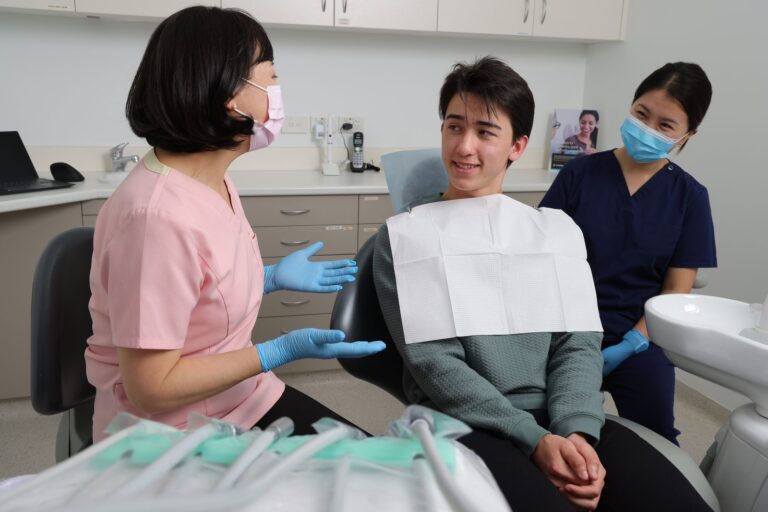
Night splints are made and fitted here by Dr Mee Kim.
Book an appointment
Same-day and Saturday appointments available, with free on-site parking in Ashburton.
Book online (03) 9885 7588