
Wisdom teeth removal in Ashburton
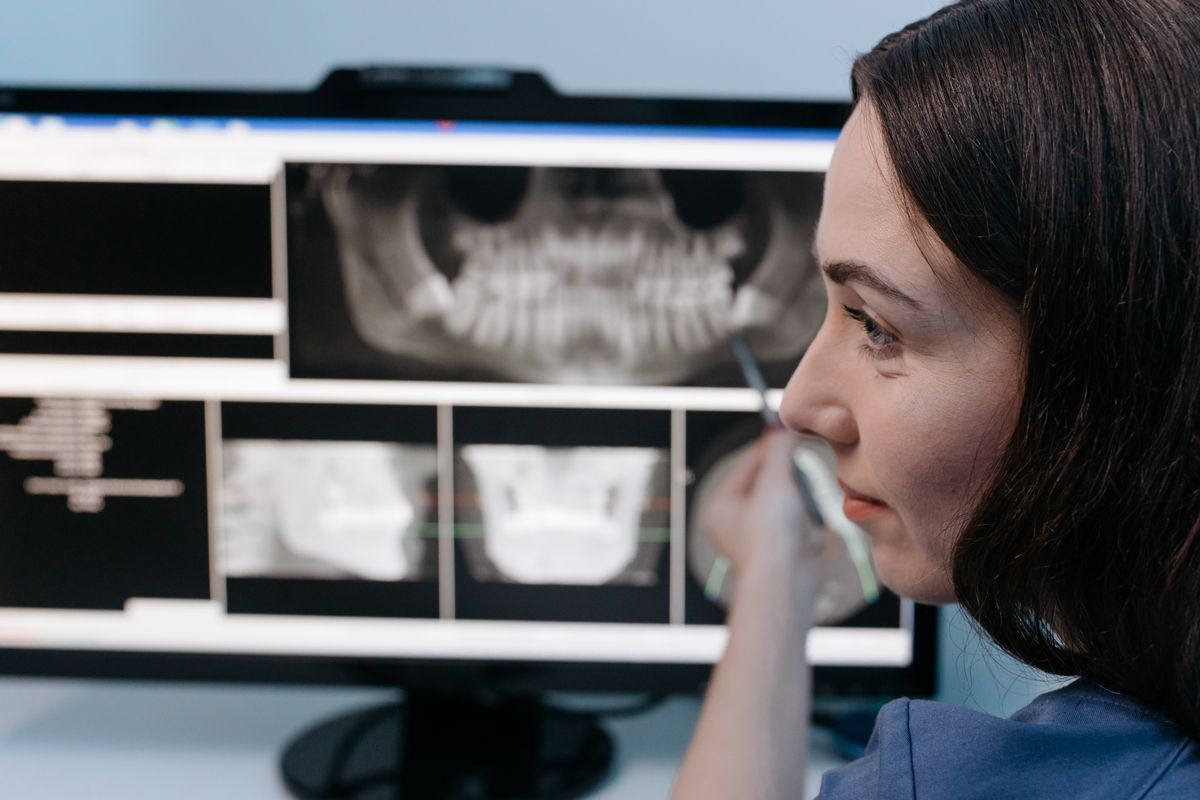
Wisdom teeth often cause trouble, but not always. We take an X-ray, assess each tooth and recommend removal only when there is a clear reason.
Wisdom teeth removal from $199.
When you need it checked
- Pain or pressure behind your last molar, often worse when chewing.
- A swollen, tender gum flap that keeps getting infected.
- A recurring bad taste or odour at the back of the mouth.
- Jaw stiffness or trouble opening.
- Decay in the wisdom tooth or the molar in front.
What happens
- Assessment. X-rays show the root shape and how close it sits to the nerve. A tooth that is straight, bites properly and can be cleaned stays.
- Your quote. You get written costs before anything is booked.
- Removal. Local anaesthetic numbs the area. You feel pressure, not sharp pain. Sedation is available on request.
- Recovery. Swelling peaks around day two or three. Most people are back at work or study within two or three days after a simple extraction.
- Aftercare. You get written instructions. Call us if bleeding is steady or pain worsens after day two.
Before you decide
Specialist referral
When the roots sit on the nerve to the lip and chin, we refer you to an oral and maxillofacial surgeon. General anaesthetic is an option there.
Dry socket
The one common complication. Don’t smoke or rinse hard for 24 hours. If it happens, we dress the socket.
Risks
We explain the risks that apply to you, including nerve risk, before you decide.
Cost
Simple extractions usually fall under general dental, surgical removals under major dental. You get a written quote with item numbers before treatment. Bring your health fund card.
What sets the cost of removal
The fee depends on how the tooth sits and how much work it takes to remove it. The X-ray at your assessment shows us most of this before we quote.
- Erupted or impacted. A tooth fully through the gum is a simple extraction. A tooth trapped under gum or bone is a surgical removal.
- Bone and sectioning. Some teeth need bone removed or the tooth cut into pieces to lift it out safely.
- Number of teeth. Each tooth is a separate item. Removing two on the same side in one visit means one recovery, not two.
- Sedation. Sedation on request is charged as its own item.
- Specialist and hospital. If you are referred, the surgeon, anaesthetist and hospital charge separately. Hospital cover applies there.
You get a written quote with item numbers before treatment. Extras cover pays according to your policy. Annual limits and waiting periods apply.
Recovery, day by day
- Day one. Bite on gauze to control bleeding. Rest with your head raised. Cold packs on the cheek, 20 minutes on, 20 off. Take pain relief as instructed, on time. No hot drinks, alcohol, straws or smoking.
- Days two and three. Swelling and stiffness peak. Start gentle warm salt-water rinses after meals. Keep to soft food.
- Days four to seven. Swelling settles. Jaw opening improves. Brush normally, gently near the socket.
- Week two. Dissolving stitches fall out. Most people are back to normal food. Bruising on the cheek fades, sometimes yellow before it clears. The socket keeps filling in over the following weeks.
Plan two or three quiet days after a surgical removal. Book it before exams, travel or a big event, not the week of. Pain that gets worse after day three, a foul taste or fever is not normal. Call us.
Keep, watch or remove
Not every wisdom tooth needs to come out. The decision rests on position, symptoms and damage to nearby teeth. Age matters too. Wisdom tooth roots finish forming in the late teens to mid-twenties. Removal is usually simpler, and healing faster, before the roots are fully formed.
Keep
Fully erupted, upright, biting against another tooth and easy to clean. These stay and are checked at routine visits.
Watch
Partly through or slightly tilted, with no symptoms or damage. We review them with X-rays over time.
Remove
Repeated infection, decay, damage to the molar in front, cysts or ongoing pain. Leaving these tends to make removal harder later.
Other risks we discuss before removal: temporary numbness of the lip, chin or tongue; a small opening into the sinus with upper teeth; infection; and short-term jaw stiffness. Lasting numbness is rare. The X-ray tells us how close the roots sit to the nerve, and that shapes our advice.
Questions
Do all four need to come out?
Not necessarily. Each tooth is assessed on its own position and risk. Many people keep upper wisdom teeth that have come through cleanly.
Can they all come out at once?
Often, yes, particularly under sedation or with a specialist under general anaesthetic. That means one recovery instead of several.
What should I eat afterwards?
Soft food for the first few days: soup, yoghurt, mashed vegetables, scrambled eggs. Take pain relief before the anaesthetic wears off, and rest on day one.
Do I need someone to take me home?
If you have sedation, yes. An adult must take you home and stay with you for the day. With local anaesthetic only, most people drive themselves.
When can I exercise again?
Avoid hard exercise for three to four days. Raised heart rate and blood pressure restart bleeding and slow early healing. Walking is fine from day two.
Book your visit
Bupa, HCF and nib: eligible members pay nothing for a check-up, clean and fluoride.* No health fund? New patients pay $149.
*Eligible cover, waiting periods and annual limits apply. X-rays extra if needed. All other health funds welcome.
Suite 2, 330 High St, Ashburton VIC 3147. Free on-site parking. Serving Ashburton, Glen Iris, Malvern East and Ashwood.