
Dental veneers in Ashburton
Thin porcelain layers bonded to the front of teeth to change their shape, colour and edges. For gaps, worn edges and stains that whitening can’t fix.
When veneers suit
- Dark or stained teeth that whitening can’t improve.
- Chipped or worn front edges.
- Small gaps between front teeth.
- Small, misshapen or mismatched teeth.
What happens
- Consult and mock-up. We go through your goals and show you a trial mock-up. No drilling, no permanent change.
- Preparation. A thin layer of enamel is removed and moulds are taken. You leave with temporary veneers.
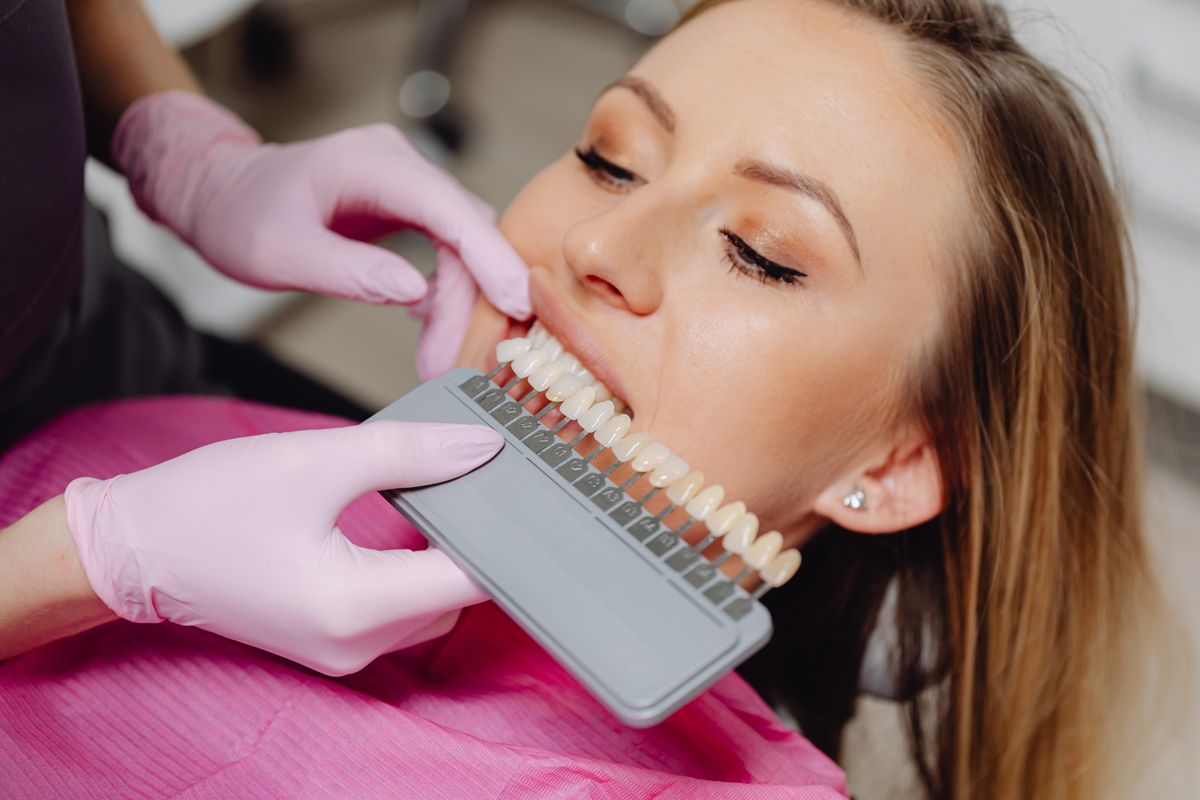
- Try-in. We try the porcelain in so you check colour and shape in a mirror.
- Bonding. We bond them only when you are happy, then check your bite. The process runs over two to three visits.
Before you decide
Who suits veneers
Healthy gums and good home care. Bleeding gums are treated first. Grinders wear a night splint. Heavily filled teeth suit crowns.
Other options
Whitening for colour only. Bonding for a small chip or gap. Invisalign to move crooked teeth instead of covering them.
Aftercare
Cold sensitivity for a few days is common. Floss where the veneer meets the gum. Don’t bite nails, ice or packaging.
Risks
Enamel removal can’t be undone. Sensitivity, chipping and eventual replacement. We explain the risks that apply to you before you decide.
Cost
You get a written quote before treatment starts. Bring your health fund card.
What sets the cost of veneers
Veneers are quoted per tooth. The total depends on how many teeth you treat and the work needed before them.
- The number of teeth. Most people show six to ten upper teeth when they smile, and we plan around what shows.
- Porcelain or composite. Porcelain carries a lab fee; composite is built directly in the chair.
- Work first: gum treatment, fillings, whitening of the other teeth, or straightening.
- The trial mock-up, temporaries and try-in.
- A night splint if you grind.
Cheaper porcelain is not a saving if it chips or needs early replacement. Lab quality, careful preparation and a stable bite decide how long veneers last. We explain where your fee goes.
You get a written quote with item numbers before any enamel is removed. Some extras policies limit or exclude cover for cosmetic work. Check yours with the item numbers. Annual limits and waiting periods apply.
Porcelain veneers or composite bonding
Both change the shape and colour of front teeth. They differ in how they are made and how they age.
Porcelain
Made in a lab over two to three visits. Holds its colour and resists staining. A thin layer of enamel is removed first.
Composite bonding
Built onto the tooth in one visit. Little or no enamel removed. Stains and chips more easily, but small repairs are quick.
Which suits you
Bonding suits a small chip or gap. Porcelain suits several teeth, a bigger colour change or worn edges.
Crooked teeth change the plan. Covering crowding with veneers means removing more enamel. Straightening first with Invisalign or adult fixed braces often keeps more of your own tooth.
Colour matters too. If you want lighter teeth overall, whiten the teeth that will not have veneers first. We then match the porcelain to your new shade, because porcelain does not whiten later.
Planning and keeping your veneers
A single veneer beside natural teeth is the hardest to match. We take extra time on shade, and sometimes suggest treating the two front teeth together for an even result.
Your gums frame the veneers. Healthy, stable gums at the start keep the edges hidden. Gum recession over the years exposes the margin, and that is one reason veneers are eventually replaced.
To keep them looking good:
- Keep up six-monthly check-ups and cleans. We polish the porcelain and check the edges.
- Use a non-abrasive toothpaste. Gritty whitening pastes dull the glaze.
- Wear your night splint every night if you grind.
- Wear a mouthguard for contact sport.
Tell us early about a chip, a rough edge or a dark line at the gum. Small problems are often polished or repaired before a veneer needs replacing.
Veneers do not stop decay. The tooth underneath still needs brushing, flossing and fluoride like any other. Decay at the edge of a veneer is treated early with a small filling, or the veneer is replaced if it has spread.
Questions
Are veneers permanent?
The tooth is reshaped permanently. The veneer itself typically lasts 10 to 15 years before it needs replacing.
Can veneers be whitened later?
No. Porcelain does not change colour. Whiten your other teeth first so we match the porcelain to the new shade.
What if I don’t like them on the day?
That is why we try them in before bonding. If the shape or shade needs changing, they go back to the lab first.
Can I have just one veneer?
Yes. One veneer is harder to match to the teeth beside it, so we take extra care with the shade. Sometimes treating both front teeth gives a more even result.
Can veneers fix crooked teeth?
Mild unevenness, yes. More crowding means removing more enamel, so we often suggest straightening first with Invisalign or braces, then veneers if still needed.
Book your visit
Bupa, HCF and nib: eligible members pay nothing for a check-up, clean and fluoride.* No health fund? New patients pay $149.
*Eligible cover, waiting periods and annual limits apply. X-rays extra if needed. All other health funds welcome.
Suite 2, 330 High St, Ashburton VIC 3147. Free on-site parking. Serving Ashburton, Glen Iris, Malvern East and Ashwood.